Six Rivers Africa: Reversing Biodiversity Loss in Tanzania Through Community-Led Conservation
The global scientific consensus indicates that strategically conserving at least 30% of the world’s land and sea would be possible to prevent the current mass extinction crisis and secure the natural world for the future. This consensus inspired the UN 30x30 conservation goal, a global target aiming to ensure that a minimum of 30% of the world's land and sea areas are effectively conserved and managed by 2030.
Tanzania is one of the few countries in the world that has surpassed the 30% protected land target, an extraordinary achievement given the global importance of its natural resources. However, these areas are under increasing pressure from human activities and climate change, making them particularly challenging to manage and safeguard. Recent trends, including sharp declines in key wildlife populations, the local extinction of some species due to poaching, and rising human–wildlife conflict, highlight the urgency to support Tanzania’s protected areas.
Six Rivers Africa is one of Tanzania’s key conservation partners. They work to protect and restore some of the continent’s most critical wilderness areas while supporting the surrounding communities.
Where it all began….
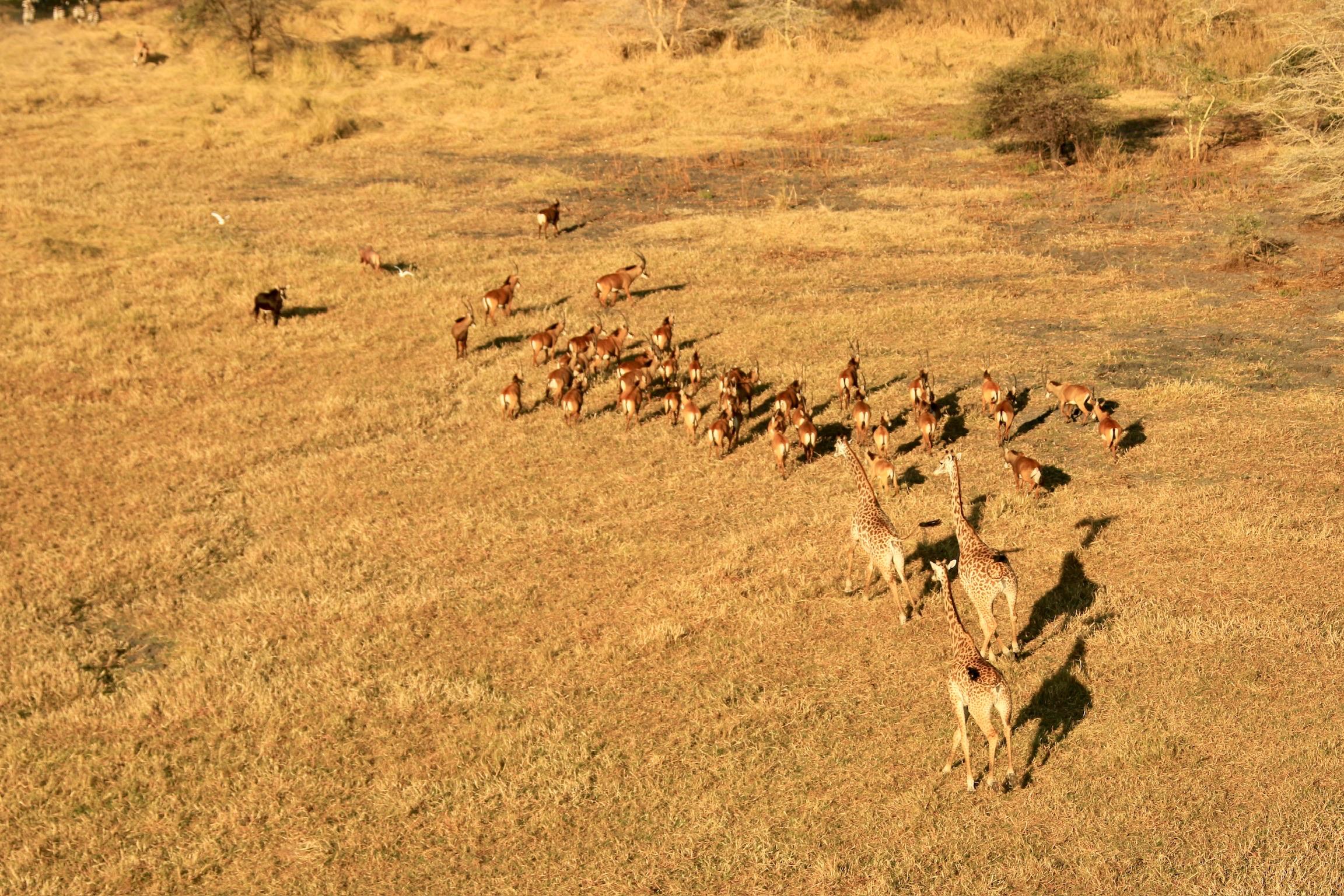
Six Rivers Africa was founded from a deep love for Africa’s wild landscapes and a growing concern for how quickly they were disappearing. The organisation’s story begins in the remote southern reaches of Ruaha National Park, where former Asilia director Brandon Kemp first heard about an untouched wetland hidden far beyond the usual safari routes.
Having spent years in Botswana’s Okavango Delta, wetlands held a special significance for Brandon. This curiosity inspired him to set out to find the area and what he discovered would become the catalyst for a new conservation movement.
The Usangu Wetland was extraordinary: wide-open grasslands, dense forests, abundant water systems, and wildlife found nowhere else in Ruaha. Herds of sable antelopes moved across the plains, and topi, which hadn’t been seen anywhere else in the park. It was a landscape of ecological richness but also fragility, human encroachment, poaching, and unsustainable land use was developing fast.
Recognising both its value and its vulnerability, Brandon mobilised scientific partners and conservationists to better understand the wetland. One of the first major achievements was a large-scale biodiversity audit with the Tanzania Wildlife Research Institute (TAWIRI), which confirmed Usangu’s immense ecological importance and produced the scientific evidence needed to advocate for its protection.
This early momentum, supported by the vision and philanthropy of Sir Jim Ratcliffe, led to the formal establishment of Six Rivers Africa. Working closely with the Tanzania National Parks (TANAPA) and other government partners, SRA built its first protection base in the area, introducing aerial surveillance, ground patrols, water and land management systems, and community-focused programs to stabilise and secure the landscape.
Today, Usangu stands as one of Tanzania’s most promising restoration stories. Wildlife presence is increasing, fish breeding grounds are returning, and the health of the Great Ruaha River is gradually being restored.
Lift & Shift to the Selous
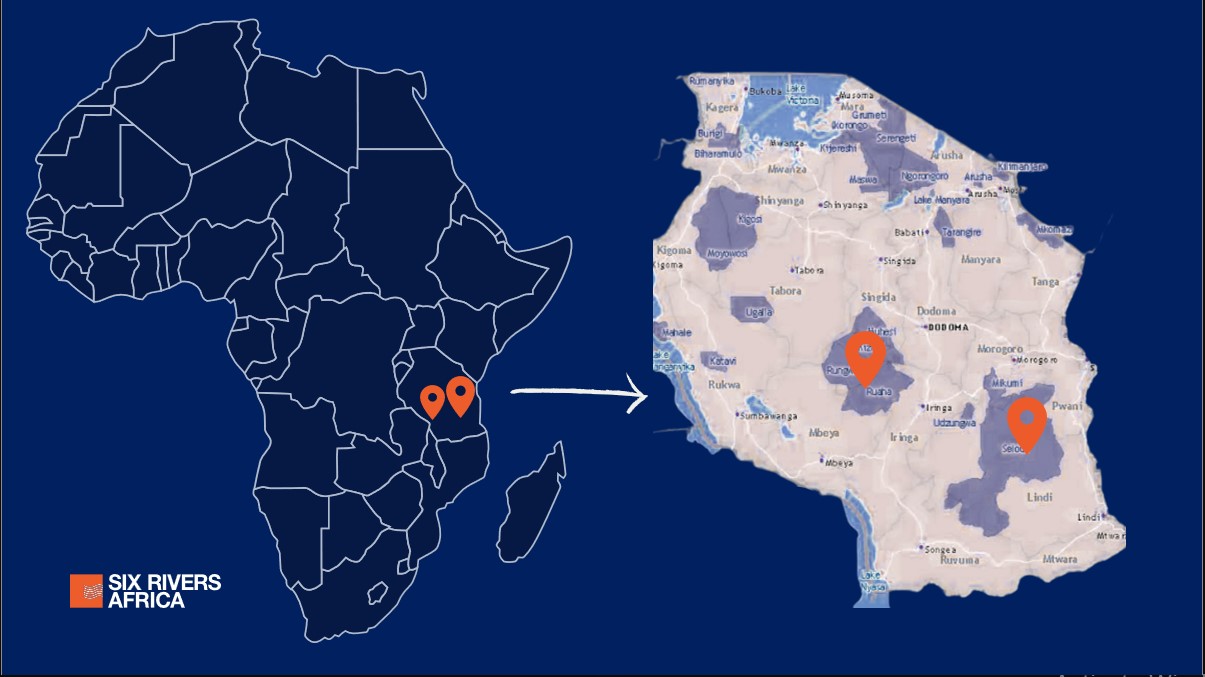
Building on its early success in the Usangu Wetland, Six Rivers Africa expanded its conservation efforts into one of Africa’s most iconic yet threatened wilderness area, the Selous ecosystem (now largely incorporated into Nyerere National Park). This expansion follows SRA’s “lift & shift” model: taking the proven lessons, systems, and approaches from Usangu and applying them to landscapes facing similar ecological pressures.
The Selous has long been recognised for its global importance, yet decades of poaching, habitat loss, and human encroachment left large portions of the ecosystem degraded and vulnerable. SRA entered this landscape with a clear mandate: strengthen protection, rebuild essential infrastructure, support community transformation, and lay the groundwork for long-term ecological recovery—just as it had done in Usangu.
In partnership with TANAPA, SRA established a protection base in the Msolwa Sector, complete with aerial, boat, and ground patrol capabilities. Communication systems were installed to link rangers operating in remote areas with command teams. Village Game Scouts were trained and deployed to strengthen local law enforcement presence.
The Selous expansion represents the next chapter of SRA’s mission: taking what works, scaling it responsibly, and helping restore some of Africa’s most threatened yet critical wilderness systems. Despite the area being significantly larger than the Usangu Wetland in Ruaha National Park, Six Rivers Africa is already making steady progress with its conservation initiatives. The park is enroute to reclaim its status as one of the last remaining ecologically diverse African wilderness areas and a popular tourist destination.
The Core Pillars of Six Rivers Africa
Six Rivers Africa is guided by four core pillars: Partnerships, Protection, Research & Restoration, and Community. In every landscape where SRA operates, all four pillars work together to create a holistic and sustainable conservation model.
Partnerships
The Partnerships pillar is the base upon which every other aspect of SRA’s work is built. It is focused on creating and maintaining strong, long-term collaborations with local authorities, institutions, conservation organisations, and community stakeholders. Positioned as an implementation partner, SRA works alongside these various entities to align, coordinate and carry out work on the ground that catalyses impact at scale.
Working closely with conservation entities such as Tanzania National Parks (TANAPA), Tanzania Wildlife Research Institute (TAWIRI), and local government authorities—SRA is able to support protection, research, agricultural and educational projects, and the joint management of protected areas. These relationships anchor SRA’s operations in national priorities and strengthen the collective capacity to secure and restore wildlife habitats.
Beyond government, SRA collaborates with a wide network of conservation and development partners, including technical experts, research institutions, NGOs, and philanthropic partners. These collaborations support veterinary programs, ranger training, wildlife monitoring, water and sanitation initiatives, youth capacity-building, and community livelihood development.
These partnerships bring together the resources, expertise, and shared commitment needed to safeguard Tanzania’s wilderness areas for generations to come.
Protection
The Protection pillar is focused on safeguarding wildlife and natural habitats in areas historically devastated by poaching, human encroachment, and biodiversity loss. It involves working closely with TANAPA to strengthen anti-poaching operations, empower local protection teams, and support effective management of protected areas.
Protection efforts include the establishment of key infrastructure, including patrol bases, deployment and training of Village Game Scouts, expansion of aerial and ground patrols, installation of communication systems, and provision of equipment and technology that enhances security operations.
This pillar ensures that wildlife and habitats are kept safe, creating the stable conditions necessary for other conservation efforts, including research, community work, and long-term ecological restoration, to succeed.
Research & Restoration
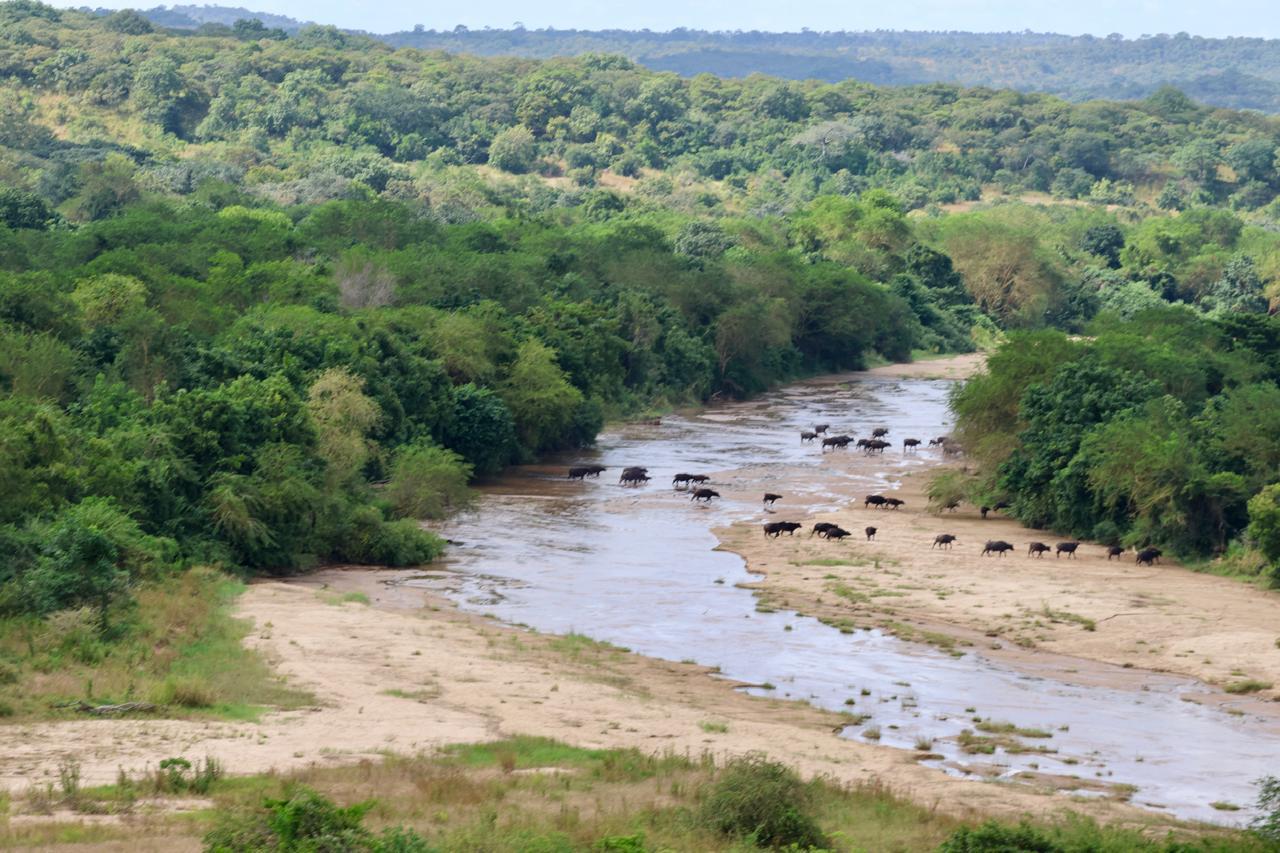
The Research & Restoration Pillar drives the scientific and environmental recovery efforts that strengthen the long-term health of SRA’s protected wilderness areas. This pillar begins with rigorous, evidence-based research to understand ecosystem conditions, wildlife populations, habitat pressures, and landscape-level needs.
Through partnerships with TAWIRI, TANAPA, and other scientific institutions, SRA conducts aerial wildlife surveys, biodiversity audits, camera trap studies, species monitoring, and ecological assessments. These findings guide all restoration planning and ensure that every intervention is grounded in science.
On the restoration side, the pillar focuses on rehabilitating degraded habitats and building the infrastructure and systems needed to support functioning, resilient ecosystems. This includes installing communication towers, improving access routes for conservation teams, maintaining water points, and implementing targeted habitat rehabilitation where needed.
Community
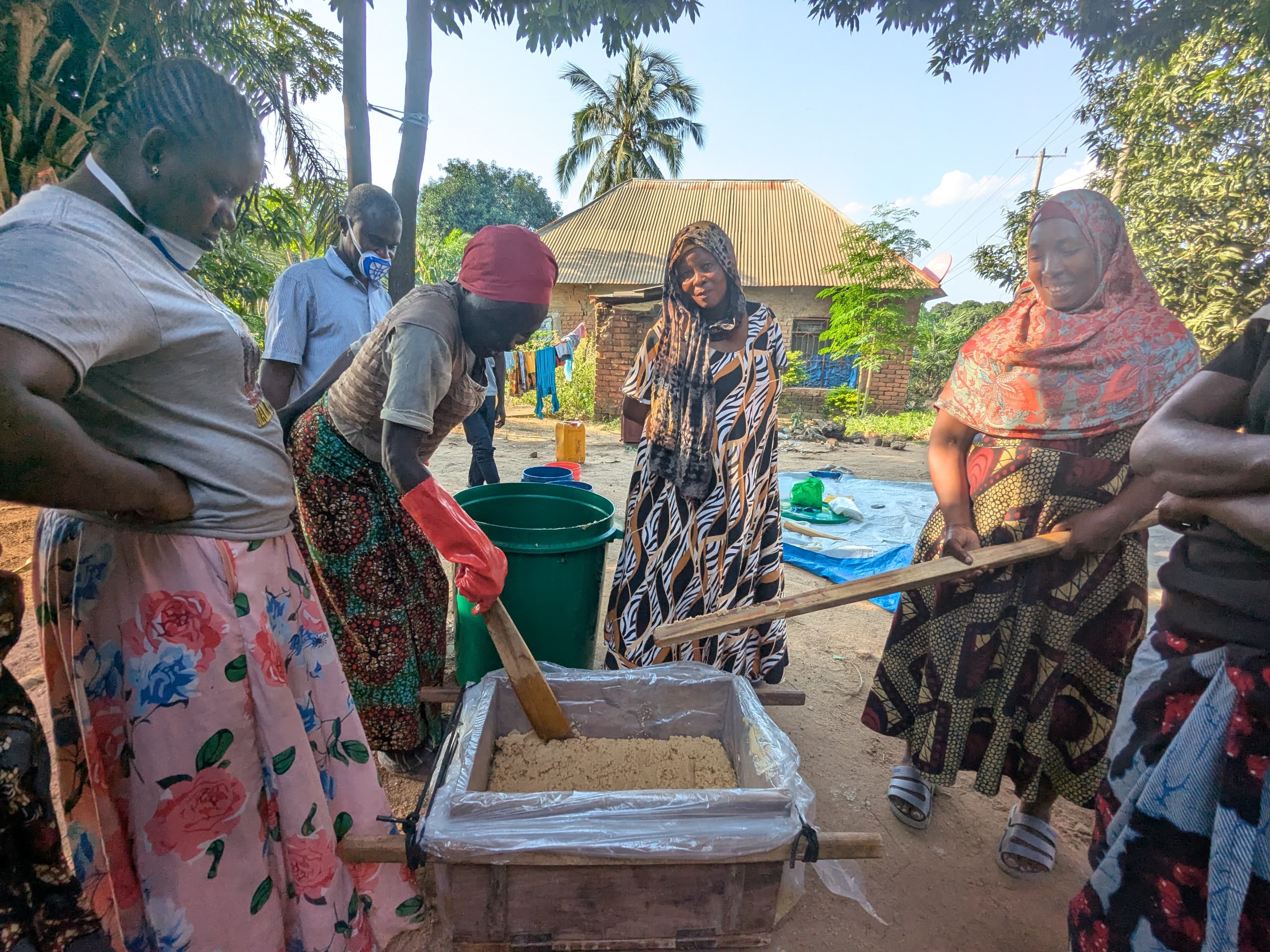
The Community Pillar focuses on empowering the people who live alongside protected areas to thrive through conservation-compatible livelihoods and long-term economic opportunities. SRA’s model follows an “Assist and Transform” approach, addressing immediate needs while building the skills, capacity, and stability required for lasting change.
It ensures that people living near protected areas see direct, tangible value from conservation. By creating shared ownership, reducing conflict, and building a sustainable future where thriving communities and healthy ecosystems go hand in hand, the long-term preservation of that area’s natural and cultural heritage becomes more achievable.
Six Rivers Africa works hand-in-hand with local farmers, women's groups, and youth to promote sustainable agriculture, establish eco-friendly businesses, reduce human–wildlife conflict. The organisation invests heavily in youth development, most notably through the Six Rivers Africa Training Academy, which provides fully funded hospitality and tourism scholarships to prepare the next generation for meaningful employment in Tanzania’s tourism sector.
Beyond the Selous and Usangu
Beyond its core landscapes, SRA supports other key but under resourced projects across the country that align with the organisation’s focus areas. This includes the Mkomazi Rhino Project where SRA contributes to the improvement and maintenance of critical equipment. Further south, in Mikumi National Park, SRA supported the Elephant Conservation Organization’s Mobile Veterinary Unit, providing supplies such as a Land Cruiser, immobilisation drugs, CO₂ cartridges, and other essential supplies used to treat injured or distressed wildlife.
Through its African-led model anchored in the interdependent pillars of Partnerships, Protection, Research & Restoration, and Community, SRA has transformed the former hunting grounds of the Usangu Wetland and Msolwa Sector into thriving strongholds of biodiversity.