There are only a handful of true, unfenced, untouched savannah wildernesses left on the African continent. Remarkably, most of them sit within or spill across Tanzania. These vast, raw, and ecologically rich expanses represent something increasingly rare in our world: intact ecosystems still functioning largely as nature designed them.
Yet these areas are under increasing pressure from poaching, livestock encroachment, habitat loss, and the everyday realities of human–wildlife conflict. Managing places of this scale is not simple. It requires a united front including strong partnerships, local knowledge, scientific insight, and long-term commitment from government authorities, conservation institutions, and community stakeholders.
For Six Rivers Africa, this collaborative model has become central to our work. Our journey began with a simple belief that there is still much to discover and protect in the underexplored corners of Southern Tanzania’s national parks.
Early Ecological Insights From Usangu Wetland
SRA’s early involvement in conservation started in 2017 in Ruaha National Park. At the time, some areas of the park, including the Usangu wetland, were categorised as game reserves, and much of the area was unvisited and poorly understood. This prompted SRA to propose a biodiversity study of the area, which was conducted by the Tanzania Wildlife Research Institute (TAWIRI).
The findings revealed that Usangu is far more significant than previously known. It serves as a major breeding ground for fish, a critical water source feeding the Great Ruaha River (Tanzania’s longest river), and an important refuge for a wide range of wildlife. Some species recorded during the study had never before been documented in that region.
But the study also exposed the mounting pressures building within the wetland, including livestock grazing deep inside protected areas, destructive fishing practices, and gradual habitat degradation caused by increased human activity. These issues emphasised the urgent need for enhanced protection, stronger management systems, and a long-term restoration plan for the area.
This experience shaped SRA’s approach to conservation and set the foundation for our strong partnerships with Tanzania National Parks (TANAPA), TAWIRI, regional authorities, and the Ministry of Natural Resources and Tourism (MNRT), all of whom play critical roles in guiding and supporting our work.
SRA’s Model Beyond Usangu
The lessons from Usangu became the basis of SRA’s conservation model. Over the years, SRA has adopted a “lift & shift” approach, applying insights from Usangu to new frontiers across Tanzania. We focus on three categories of landscapes:
Former hunting blocks
These areas often have strong biodiversity potential but lack the protection systems found in fully developed national parks. Many have only recently been upgraded to national park status, bringing them under TANAPA’s enhanced law enforcement framework.
Vast, remote wilderness areas
Tanzania’s protected landscape covers an enormous portion of the country. Nyerere National Park alone is the largest in Africa. These areas are rich in wildlife but extremely challenging to manage due to size, isolation, and accessibility issues.
Ecosystems with significant biodiversity value
These are places where strategic investment can reverse decline. Many hold endangered species, migratory routes, river systems, and habitats that anchor larger ecological networks.
Both the Usangu wetland of Ruaha National Park and the Msolwa sector of Nyerere National Park fall under these categories. These locations were previously vulnerable to poaching and encroachment, but recent collaboration between SRA, TANAPA, and TAWIRI is helping reverse those trends.
Insights Into Wildlife and Habitats Through Research

Ongoing research activities have deepened our understanding of how these ecosystems function.
Aerial wildlife censuses now span multiple connected landscapes, giving us a more complete picture of population trends and human activity across the Nyerere–Mikumi–Usangu system.
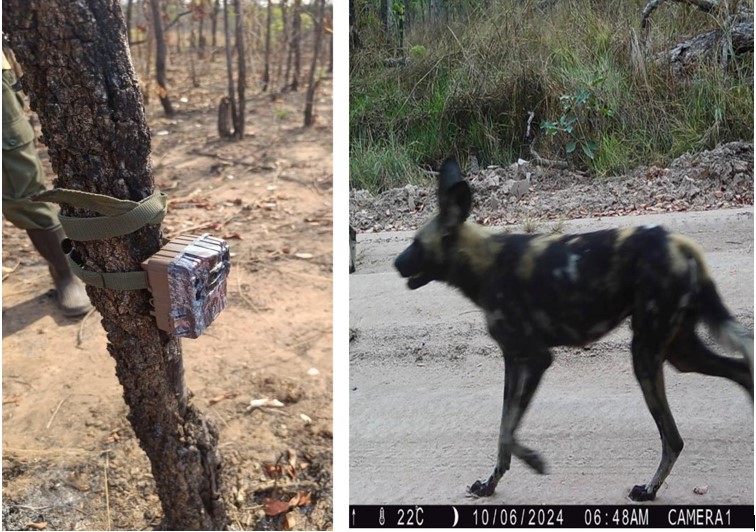
Camera trap surveys have recorded a wider range of species than previously documented, including rare and nocturnal animals that traditional surveys miss.
Collaring programs conducted with TAWIRI and TANAPA have provided valuable insights into the movement patterns of elephants, lions, and wild dogs. This information directly informs conflict mitigation strategies and habitat management.
Together, these efforts are uncovering how wildlife uses these landscapes, how human pressures influence behaviour, and what interventions are most effective.
Restoring Key Species and Strengthening Ecosystems
As our understanding of these landscapes deepens, so too does our vision for long-term restoration. Looking ahead, one of the most ambitious possibilities we are exploring is the reintroduction of key species into the Msolwa sector of Nyerere National Park. In close collaboration with TANAPA, TAWIRI, and the MNRT, this work could one day support the return of wildlife once common here, including elephants—whose populations have declined by an estimated 90% since 1970 due largely to poaching—and, in time, potentially even rhinos, which have disappeared entirely from the area. Alongside this, future restoration priorities may include strengthening security within Intensive Protection Zones, expanding veterinary and emergency wildlife care capacity, and rehabilitating habitats affected by encroachment or overuse.
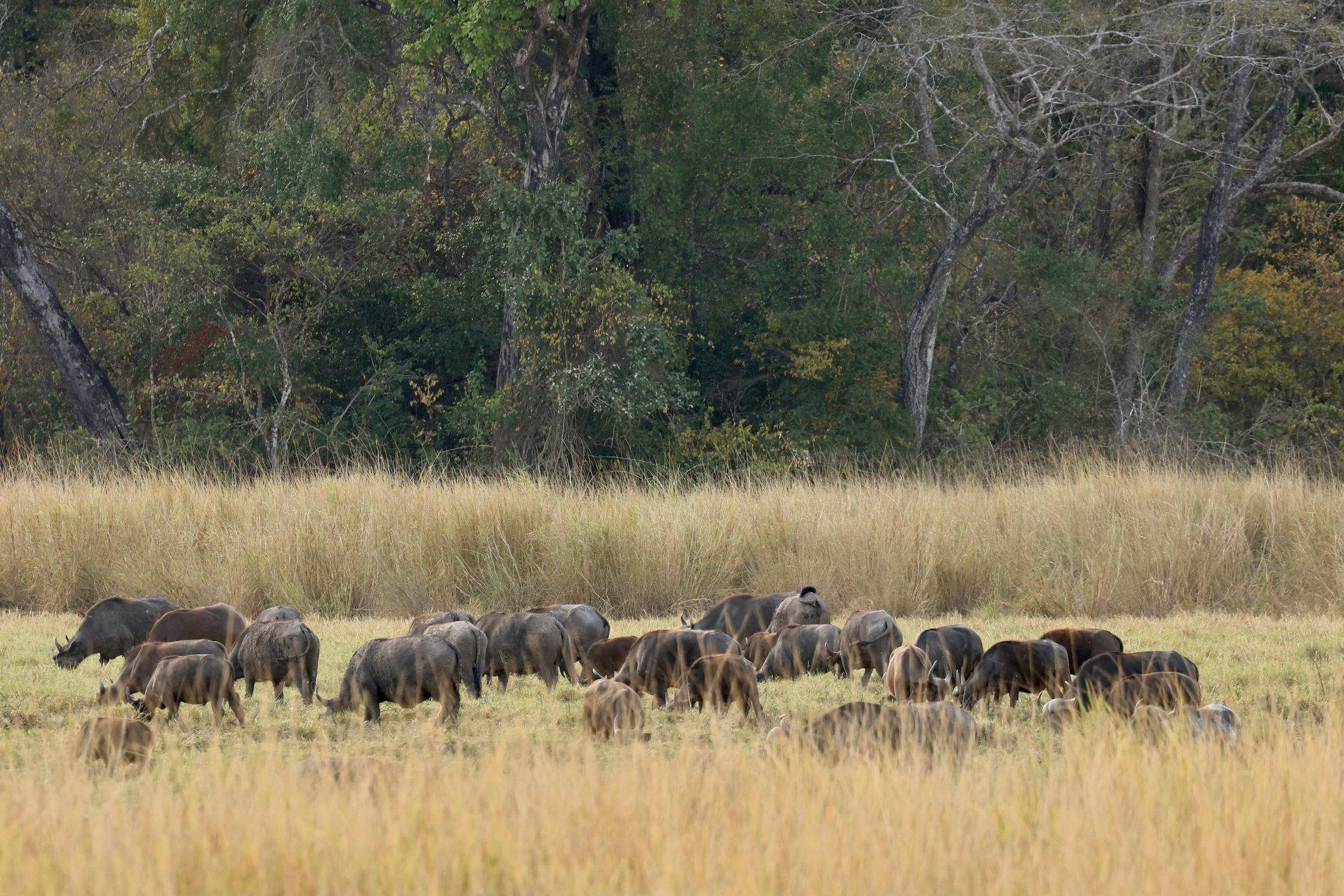
Few places in the world still hold wilderness at this scale. Tanzania’s protected areas are important both for wildlife habitat as well as regional water systems, carbon storage, climate resilience, and local livelihoods.
And these areas are showing encouraging signs of recovery. Wildlife is slowly returning where protection has improved. Vegetation is regenerating where human pressure has reduced. Communities engaged through sustainable livelihood programs are finding alternatives that support both conservation and household income.
This blend of protection, research, restoration, and community partnership continues to reveal just how much potential these landscapes hold, not just for tourism but for long-term ecological resilience.