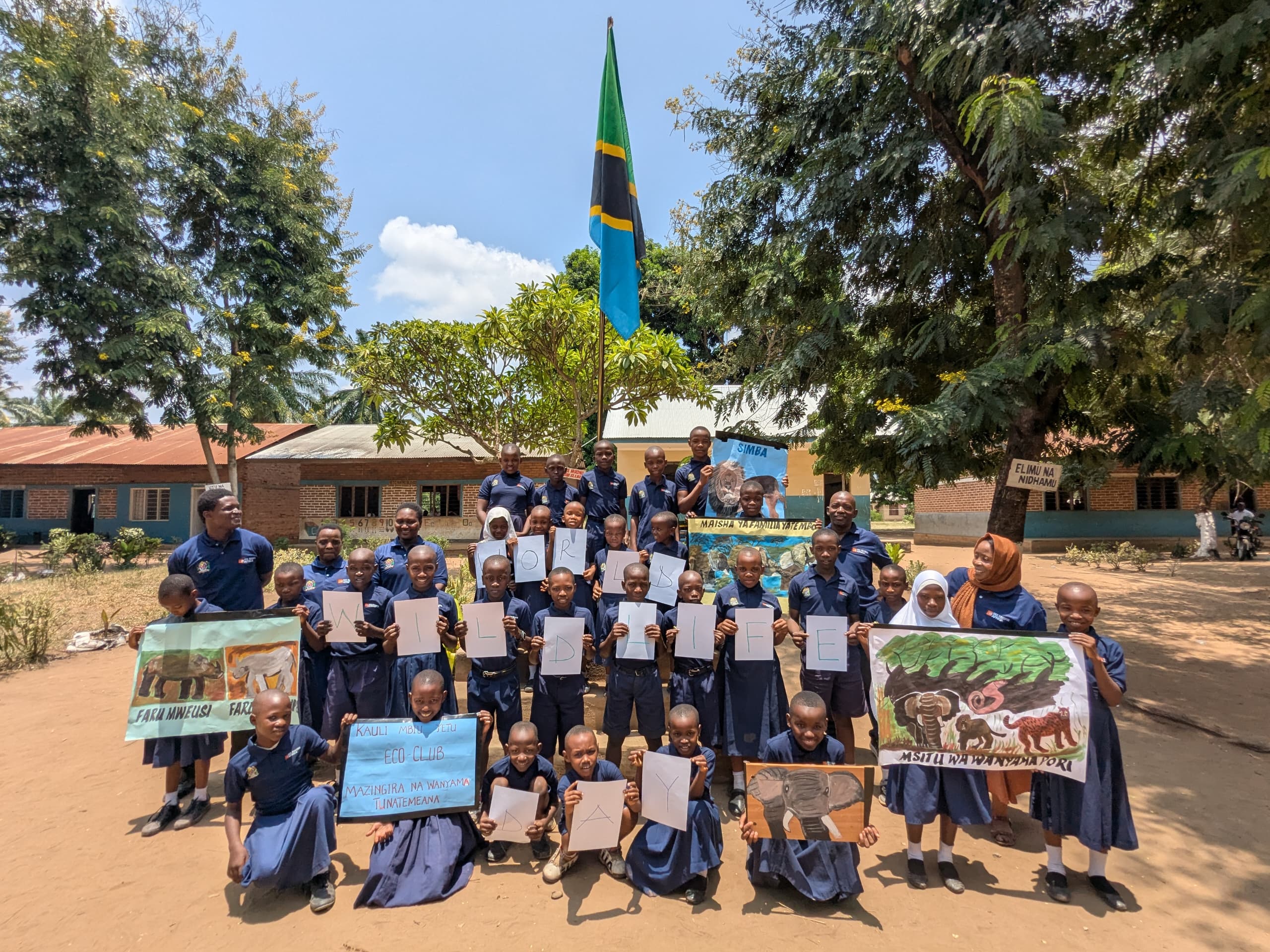
A key indicator of a sustainable conservation approach is found outside of the protected area, where wilderness and people meet. It involves creating positive relationships between communities and protected areas, wildlife and economic activities as well as between conservation NGOs and livelihood development. These factors guide the relationship between a community and a protected area’s resources, a relationship generally referred to as human-wildlife co-existence.
In practice, this interaction is often far from harmonious, particularly in African wilderness areas, which are vast, remote, and unfenced ecosystems filled with biodiversity and natural resources. People may capitalise on neighbouring access, resulting in poaching, charcoal production, cattle grazing, and habitat loss. Wildlife, on the other hand, occasionally stray beyond boundary lines, leading to crop raiding, property damage, and fear within the community. This phenomenon of friction is known as human-wildlife conflict (HWC), and it is common across most African wilderness areas.
When left unchecked, HWC has significant repercussions. In Tanzania, elephant corridors routinely see conflict with local residents. Meanwhile, the Selous, one of the world’s largest protected areas and a UNESCO World Heritage Site, is now devoid of rhinos, and its elephant numbers have plummeted by 90% since the 1970s due to poaching.
Today, Six Rivers Africa (SRA) exists precisely to protect, restore, and preserve these deteriorating parts of the African wilderness. Community engagement is a cornerstone of our approach, combining collaboration with the Tanzanian government and local authorities. Our work ranges from supporting communities with eco-friendly income-generating activities and implementing practical HWC solutions like beekeeping to helping youth launch careers in tourism and hospitality. We also conduct extensive awareness programs, from "Eco Clubs" in schools to a conservation radio program reaching 200,000 people weekly.
This community pillar is deeply interconnected with SRA’s other pillars, Protection, Science & Research, and Partnerships, to secure Africa’s greatest wilderness areas.
Launching Careers in Hospitality through the SRA Training Academy
.jpg)
In 2024, SRA launched the Six Rivers Africa Training Academy to give youth from neighbouring communities a chance at formal employment in the tourism and hospitality sector. By securing these careers, families can see the direct benefits of their natural resources, inspiring them to reshape their attitudes and become better stewards of wildlife.
Students are awarded full scholarships for a one-year program in either Culinary Arts or "Service Bingwa" (a specialised hospitality course). They learn at our on-campus boarding academy from top-tier industry trainers. The program combines practical learning with field experience; students host guests at our visitor accommodation facilities and complete three-month attachments at some of the best safari camps in Tanzania. In addition to core studies, students also gain essential computer and English language skills.
Starting with 40 students in 2024, interest has grown incredibly among local parents and youth. To accommodate this, we increased the intake to 60 students in early 2025.
Building Economic Resilience with Sustainable Livelihoods

This program is designed to reduce community dependence on protected area resources by creating competitive, eco-friendly economic alternatives. SRA’s approach involves providing groups with comprehensive business management training and startup kits to kickstart their entrepreneurial journeys.
In 2025, the IGA initiative supported 39 community-based groups across Ifakara and Mbarali, reaching 961 members (610 women and 351 men). These groups received startup capital for enterprises in poultry and pig farming, grain sales, soap making, and dairy processing. These businesses generated over TZS 7.3 million in profit within their first six months. With 61% female participation, the initiative continues to enhance women’s economic empowerment while encouraging a shift away from environmentally harmful practices.
Inspiring Change through Education and Community Outreach

In schools around the Usangu sector of Ruaha National Park and the Msolwa sector of Nyerere National Park, SRA has established "Eco Kids Clubs." Here, students learn about conservation through hands-on experience, visiting national parks, observing international conservation days, and planting trees. Currently, 30 clubs engage approximately 900 children.
Beyond the classroom, SRA employs a tailored approach to reach the wider community. In Msolwa, radio programs serve as the primary outreach channel, reaching over 200,000 people weekly and featuring experts from TANAPA, TAWIRI, TAWA, and the ILUMA Wildlife Management Area. In Usangu, village-level awareness meetings are the main method of engagement. In the first half of 2025, these sessions reached 1,433 community members across 10 villages, fostering a more positive and proactive attitude toward wildlife protection.
By investing in the livelihoods and education of those living on the front lines of conservation, we transform potential conflict into a powerful partnership. When communities thrive alongside wildlife rather than at their expense, the entire ecosystem is strengthened.